

Blog
Newsletter vs Social Media Leads Compared

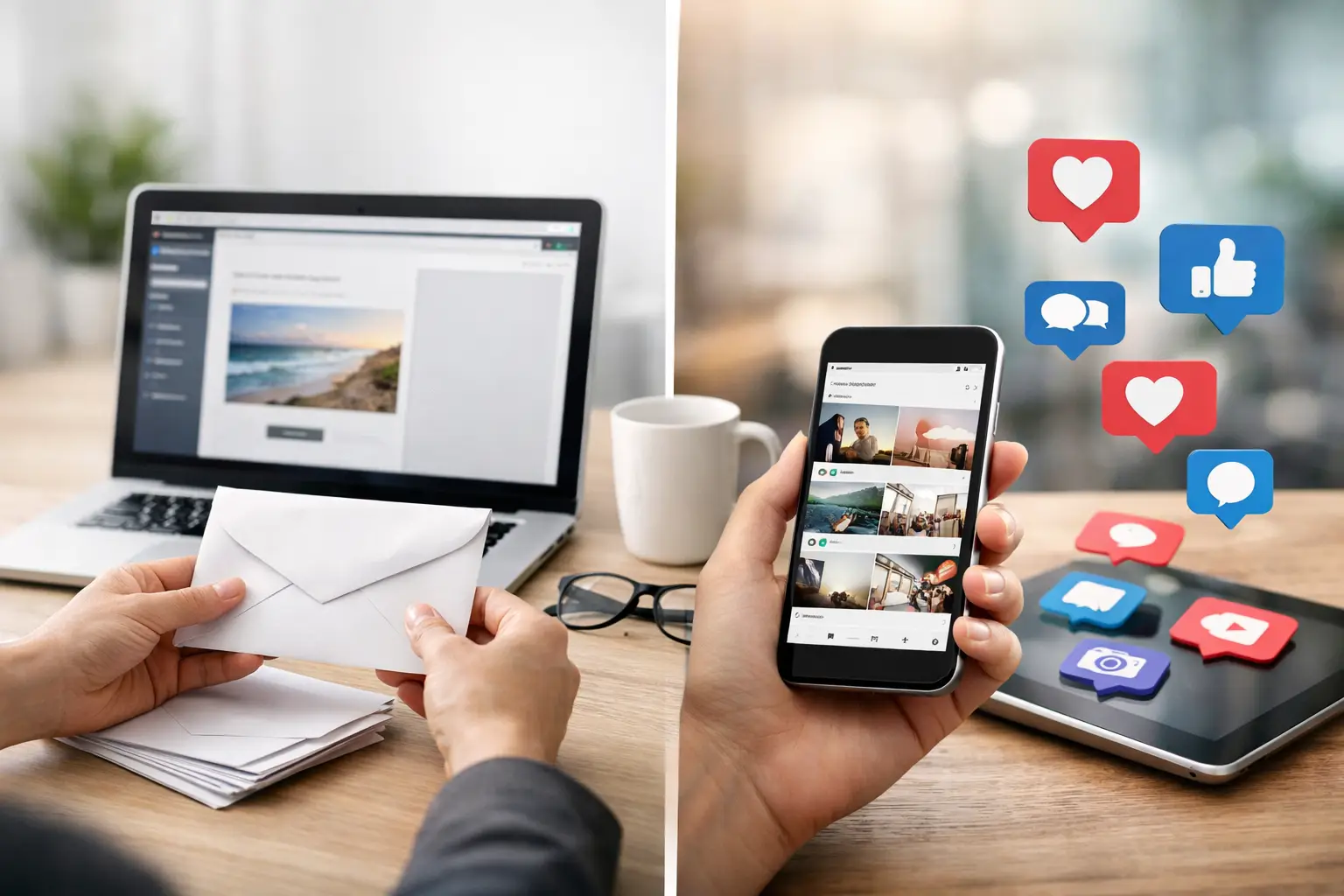
A person who follows an automotive page may enjoy a photo of a restored truck, a new engine build, or a useful maintenance tip. That does not always mean they are ready to ask for a quote, request details, or make a purchase. The difference between newsletter vs social media leads often comes down to what happens after that first moment of attention.
For a growing motor-related business, both channels can create opportunities. Social media can put a brand in front of new people quickly. A newsletter creates a direct line to people who have chosen to hear from the business again. Neither channel is automatically better. The right choice depends on the offer, the sales cycle, the available content, and how consistently the business can follow up.
Newsletter vs Social Media Leads: The Core Difference
A social media lead begins on a platform the business does not control. The person may see a post in a feed, respond to a direct message, click a profile button, or submit a form connected to an ad. The interaction can be immediate, but it is also shaped by the platform’s algorithm, policies, and changing features.
A newsletter lead gives the business permission to communicate through email. That permission matters because an email list is a business-owned audience. The list can be organized by interest, location, product type, past inquiry, or stage in the buying process. A subscriber may not buy right away, but the business can remain useful and visible without waiting for a social platform to show another post.
The practical distinction is simple: social media is often strongest for discovery, while newsletters are often stronger for follow-up. A business that treats them as competing channels can miss the advantage of using each for its best job.
Social Media Leads Bring Reach and Fast Feedback
Social media is useful when a business needs to be found by people who do not know it yet. A short video showing a motor startup, a before-and-after repair, or a clear explanation of a common vehicle problem can attract attention without requiring a large existing audience. Posts can also reveal what prospects care about based on comments, shares, saves, and direct questions.
For a motor, vehicle, or mechanical equipment business, visual proof is especially valuable. People want to see condition, workmanship, sound, movement, and results. Social channels make that easier than email alone. They can also support local visibility when posts include relevant service areas, events, inventory updates, or practical advice for owners.
The trade-off is that attention on social media is temporary. A post may perform well for a day and then disappear from most followers’ feeds. Even people who actively follow an account may not see every update. Building an audience can take time, and paid promotion may be needed to reach people outside the existing follower base.
Social media leads also vary in quality. A message saying, “How much?” can be the beginning of a serious conversation, or it can go nowhere. Fast replies, clear next steps, and a way to capture contact information make a major difference. Without a process, valuable inquiries can remain buried in comment threads or direct-message folders.
Newsletter Leads Support Trust Over Time
An email signup usually represents a more deliberate action than a casual like. Someone who provides an email address is inviting future contact, although the strength of that interest depends on why they signed up. A person joining for a seasonal maintenance checklist may be earlier in the buying process than someone requesting availability, pricing, or a service estimate.
The value of a newsletter is not sending frequent promotions. It is giving subscribers a useful reason to keep opening. For a business connected to motors or vehicles, that could mean maintenance reminders, new inventory notices, explanations of common repair decisions, event announcements, or updates on completed work. Useful communication builds familiarity before a customer has an urgent need.
Email also makes follow-up more organized. A business can send one message to new subscribers, another to people who requested information, and a different update to past customers. This is harder to manage through a general social feed, where every follower sees roughly the same public message.
Still, newsletters have limits. An email list starts at zero and grows slowly if the signup offer is unclear. Open rates and clicks can fluctuate. Some subscribers will use a secondary email address, stop engaging, or unsubscribe. A list only becomes valuable when the business sends relevant messages and maintains accurate contact records.
Which Lead Source Is More Likely to Convert?
Conversion depends less on the channel and more on the type of decision being made. A low-cost product, an event registration, or a simple appointment may convert quickly after a social post. People can see an offer, act on it, and move on.
Higher-consideration decisions usually need more time. Someone researching an engine replacement, specialized repair, equipment purchase, or commercial service may compare options for weeks or months. In that situation, a newsletter gives the business more room to answer questions, show experience, and stay present while the prospect considers the next step.
The source of the lead also affects follow-up. A social media inquiry may be more responsive to a quick message and an invitation to call. An email subscriber may respond better to a sequence of helpful updates before receiving a direct sales request. Treating every lead the same can make communication feel rushed or irrelevant.
A useful measure is not just how many leads arrive. Track how many become qualified conversations, estimates, appointments, purchases, or repeat customers. A channel that produces fewer inquiries may be more valuable if those inquiries are consistently serious.
Use Social Media to Build the Newsletter List
The most effective approach for many early-stage businesses is to connect the two channels. Social posts create awareness, then give interested people a reason to subscribe. The reason should be specific. “Sign up for updates” is functional, but it is not very persuasive on its own.
A better invitation matches a real customer interest. A repair-focused business might offer seasonal maintenance reminders. A seller might provide advance notice of incoming inventory. A company serving enthusiasts could share local event updates, project highlights, or practical buying guidance. The offer does not need to be complicated. It needs to answer why someone should share an email address now.
Once a person subscribes, the first message should set expectations. Explain what type of updates they will receive and how often. Include a simple next step, such as replying with a question, requesting information, or viewing current availability. This turns an email signup into the start of a conversation rather than a name added to a database.
Build a Simple Lead Process Before Increasing Traffic
More traffic will not solve a weak follow-up system. Before spending heavily on content or paid promotion, define what happens when someone comments, sends a message, fills out a form, or joins the newsletter. Decide who responds, how quickly they respond, and what information should be recorded.
At minimum, separate contacts by their reason for reaching out. A person asking about a service, a person interested in a particular product, and a person who only wants general updates should not receive identical messages. Basic organization helps the business avoid sending sales material to people who need education, or generic updates to people ready to talk.
It also helps to keep the call to action narrow. A post should not ask viewers to follow, comment, call, email, subscribe, and request a quote all at once. Choose the next action that fits the content. A detailed service post may invite an estimate request. A helpful maintenance post may invite newsletter signup. A new arrival may invite a direct inquiry.
The Better Question Is How the Channels Work Together
Newsletter vs social media leads is not a choice between an old channel and a new one. It is a question of audience ownership, timing, and customer intent. Social media can introduce a business to people who are not actively searching. Email can continue the relationship after the initial interest fades from the feed.
For a new or developing business, start with a manageable rhythm. Publish social content that demonstrates useful knowledge or real work. Give interested visitors one clear reason to join the newsletter. Then send emails that respect their attention and make the next step easy.
A small list of people who recognize the business and trust its updates can be more useful than a large follower count with no clear path to contact. Build that path carefully, and each conversation has a better chance to become a customer relationship.