

Blog
A Starter Guide for Motor Brand Messaging


A motor business can have a strong name, a capable team, and quality equipment, yet still leave visitors asking one basic question: what do you actually do? This starter guide for motor brand messaging is built for that early stage, when a business needs to turn a broad motor-related identity into clear language customers can understand and act on.
For a new site such as Bonded Motor, the job is not to sound larger than the business is. It is to make the offer, the audience, and the next step unmistakable. Good messaging gives a prospective customer enough confidence to contact you, request information, or come back when they are ready to buy.
Start With the Offer, Not the Logo
“Motor” can mean a lot of things in the United States. It may refer to vehicle sales, electric motors, small engines, replacement parts, repair work, fleet support, industrial equipment, or a specialized service that has not been named yet. That breadth can be useful, but it also creates confusion if the website tries to speak to everyone at once.
Before writing a homepage headline or social profile, write one plain-language sentence describing the business. Use this structure: We help [specific customer] get [specific result] through .
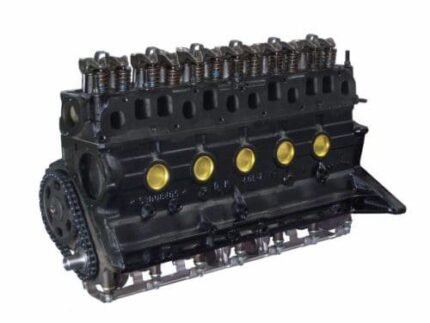
A repair-focused business might say it helps local vehicle owners keep their cars dependable through diagnostic and repair services. A parts supplier might help shops and do-it-yourself owners find compatible motor components. An industrial operation may help facilities reduce downtime through motor replacement and maintenance. These statements are not polished taglines. They are decision tools. If a page, post, or ad does not support that sentence, it may not belong in the first version of the site.
Specificity has a trade-off. A narrow offer can exclude people you may serve later, while a broad offer can attract inquiries that do not fit. For an early-stage business, clarity usually matters more. You can add categories and service lines once the core offer is established.
A Starter Guide for Motor Brand Messaging: Choose a Buyer
Motor customers do not all evaluate a purchase the same way. A driver with a vehicle that will not start is concerned with urgency, cost, and trust. A maintenance manager may care more about specifications, lead times, documentation, and downtime. An enthusiast may want performance details, fitment information, and a knowledgeable conversation.
Choose the primary audience for your first round of messaging. That does not mean refusing every other customer. It means deciding whose questions the website will answer first.
Identify the buyer’s immediate problem
Start with the problem that causes someone to search, call, or ask for a quote. Common examples include an unreliable vehicle, an unavailable replacement part, repeated equipment failure, an uncertain repair decision, or a need for a dependable supplier.
Avoid describing the problem in vague business language. “Providing motor solutions” does not tell a buyer whether you can help with a failed starter, a replacement electric motor, a repair estimate, or a parts order. Name the situation in the terms customers use.
Match the level of technical detail
Technical details build confidence when the buyer needs them. They create friction when the buyer only needs a clear answer. A commercial customer may expect model numbers, voltage, horsepower, compatibility, warranty terms, and delivery information. A consumer may first need to know whether you service their type of vehicle, how to request an estimate, and what happens next.
The best approach is layered information. Lead with the outcome in simple language, then provide specifications, process details, and common questions for people who need them. This allows the site to stay accessible without sounding uninformed.
Build a Message Around Proof
Motor-related purchases often carry real risk. The customer may be spending hundreds or thousands of dollars, losing use of a vehicle, or trying to avoid an equipment shutdown. Claims such as “best quality” or “trusted service” are common, but they do little without evidence.
Use proof that the business can honestly support. That may include years of relevant experience, technician qualifications, product brands carried, documented inspection procedures, service coverage, warranty terms, turnaround expectations, or photos of actual work. If the business is new, do not invent a long track record. Explain the standards and process that guide the work instead.
For example, “Every replacement recommendation begins with a compatibility check” is more useful than “We care about quality.” “Quotes include the part or service scope before work begins” is clearer than “Fair pricing.” Concrete language lowers uncertainty.
Trust also comes from being direct about limits. If you do not handle a certain engine type, location, or repair category, say so. Clear boundaries save time and make the business appear more credible, not less.
Create a Small Message System
A new business does not need a large brand book before it publishes useful copy. It does need a few repeatable messages so the homepage, contact page, social channels, and future sales materials do not contradict one another.
Begin with a short positioning statement, a primary headline, and a practical explanation of how the business helps. The positioning statement is internal: it guides decisions. The headline is customer-facing: it should quickly name the category or outcome. The explanation adds enough detail for a visitor to determine whether they are in the right place.
A simple homepage structure can follow this order: state the service or product category, explain who it is for, identify the customer benefit, show proof, and provide one next action. That action could be requesting a quote, asking about availability, scheduling service, or joining an update list. Do not ask visitors to “learn more” when you can tell them what they will receive by taking the next step.
Consistency does not mean repeating the same sentence everywhere. It means repeating the same promise in language that fits the channel. A website can be more detailed. A social post can focus on one problem, product, or service area. An email can answer one question that prospective buyers commonly ask.
Use Words That Reduce Friction
The right words should help customers make a decision, not force them to decode marketing language. Replace broad claims with useful specifics. Instead of “premium motor support,” describe the type of support. Instead of “innovative solutions,” explain what is inspected, supplied, repaired, or delivered.
Pay close attention to words that create unintentional promises. “Guaranteed,” “same-day,” “lowest price,” and “all makes and models” can be effective only if they are consistently true. Early messaging should be accurate enough to survive a customer conversation.
Location also matters. If the business serves a defined city, region, or nationwide market, state it plainly. A local buyer wants to know whether help is nearby. A business buyer may need to know whether shipping, field service, or account support is available. Do not make visitors search for the basics.
Test Messaging Before Treating It as Final
Brand messaging is not finished because it has been published. It improves when it meets real questions from real people. Keep track of the language callers use, the questions that arrive by email, and the pages where people hesitate.
If customers repeatedly ask whether you work on a certain type of motor, that information belongs near the top of the site. If they ask about compatibility, pricing, lead times, or service areas, answer those questions directly. The most useful copy often comes from customer conversations, not brainstorming sessions.
Review the message after the first few months of activity. You may learn that a different customer group is more profitable, that one service generates the most demand, or that a phrase you thought was clear means something different to buyers. Adjusting the message is not a sign that the first version failed. It is how a new business becomes more precise.
A clear first message gives a motor brand room to grow without making customers guess. Start with what you can confidently offer, say it in the customer’s language, and let each inquiry show you what the next version needs to explain.
One thought on “A Starter Guide for Motor Brand Messaging”